
Dr. rahul khanna
M.S. (ORTHO), FIASM, FIA
Specialist Joint Replacement, Arthroscopy & Sports Injury
Dr. rahul khanna
M.S. (ORTHO), FIASM, FIA
Specialist Joint Replacement, Arthroscopy & Sports Injury
The Role of Nutrition in Sports Injury Recovery
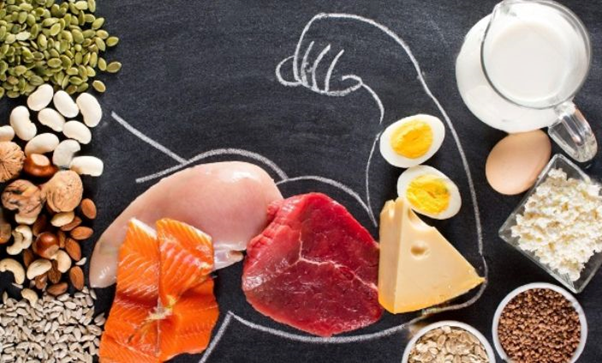
Fuelling Your Recovery
Understanding Sports Injuries
Nutrition Tips for Athletes
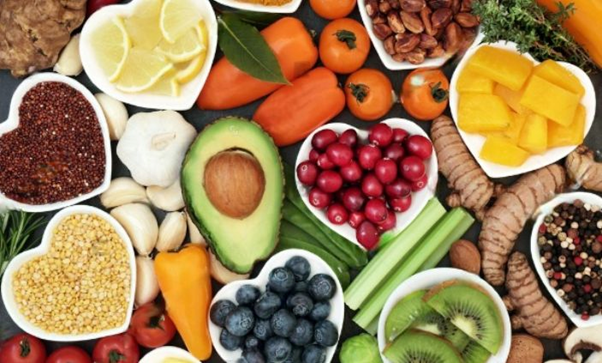
- Focus on Whole Foods:
- Stay Hydrated:
- Optimize Protein Intake:
- Load Up on Anti-Inflammatory Foods:
- Supplement Wisely:
Prioritize whole, nutrient-dense foods that provide a wide range of vitamins, minerals, and antioxidants. Include plenty of fruits, vegetables, lean proteins, whole grains, and healthy fats in your diet to support healing and recovery.
Hydration is key to recovery, as it helps transport nutrients to injured tissues and flush out toxins. Aim to drink plenty of water throughout the day, and consider incorporating hydrating foods like watermelon, cucumbers, and citrus fruits into your diet.
Protein is essential for repairing damaged muscle tissue and promoting muscle growth. Include high-quality protein sources such as lean meats, poultry, fish, eggs, dairy, legumes, and tofu in your meals to support recovery and rebuild strength.
Inflammation is a natural part of the healing process, but excessive inflammation can delay recovery and prolong pain and swelling. Incorporate anti-inflammatory foods like berries, fatty fish, leafy greens, nuts, seeds, and olive oil into your diet to help reduce inflammation and support healing.
While whole foods should be the foundation of your diet, supplements can be beneficial for filling in nutritional gaps and supporting recovery. Consider adding supplements like omega-3 fatty acids, vitamin D, collagen, and turmeric to your regimen, but always consult with a healthcare professional before starting any new supplement.
Nourishing Your Body, Nurturing Your Recovery
Emergency?
24 Hour Ready
Call Us for Emergency