
Dr. rahul khanna
M.S. (ORTHO), FIASM, FIA
Specialist Joint Replacement, Arthroscopy & Sports Injury
Dr. rahul khanna
M.S. (ORTHO), FIASM, FIA
Specialist Joint Replacement, Arthroscopy & Sports Injury
Signs, Symptoms, and Solutions for Total Hip Replacement
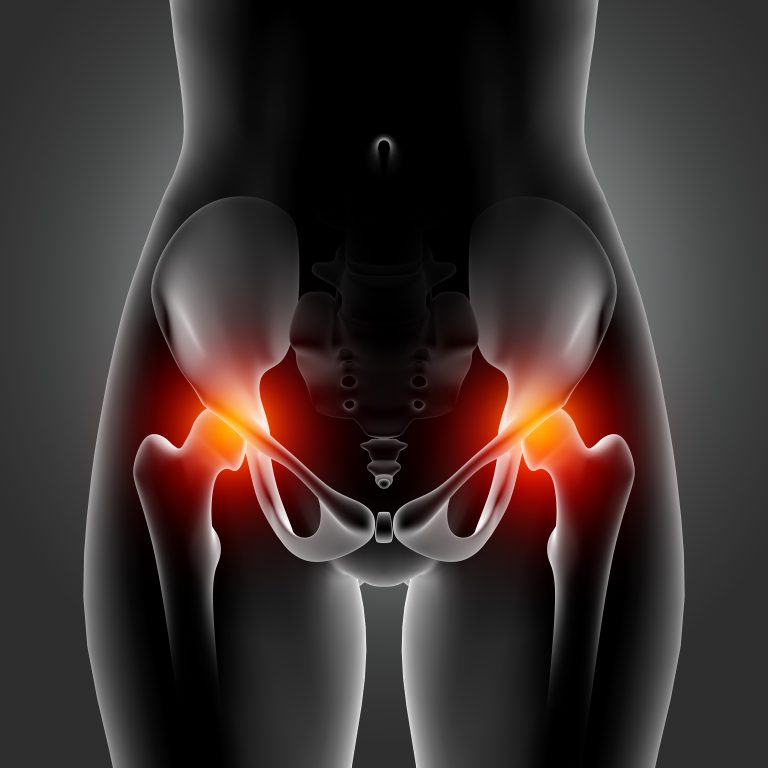
Signs and Symptoms
- Chronic Hip Pain:
- Stiffness and Reduced Range of Motion:
- Swelling and Inflammation:
- Difficulty Walking:
- Quality of Life Impact:
Persistent pain in the hip joint that worsens with activity and limits your ability to perform daily tasks is a common indicator of hip arthritis, a condition often treated with total hip replacement.
Difficulty moving your hip joint, accompanied by stiffness and a limited range of motion, can be indicative of arthritis or other degenerative hip conditions.
Inflammation and swelling around the hip joint may occur due to arthritis or other underlying hip issues, leading to discomfort and difficulty with movement.
If you experience pain or a limp while walking, it may be a sign of hip joint deterioration, prompting the need for further evaluation and treatment.
Hip pain and dysfunction can have a profound impact on your overall quality of life, affecting your ability to work, exercise, and engage in social activities.
Solutions: Total Hip Replacement
- Pre-Surgery Evaluation:
- Surgical Procedure:
- Rehabilitation and Recovery:
- Long-Term Benefits:
- Risks and Considerations:
Before undergoing total hip replacement, your orthopedic surgeon will conduct a comprehensive evaluation, which may include physical examinations, imaging tests (such as X-rays or MRI scans), and a review of your medical history.
Total hip replacement surgery is typically performed under general anesthesia or regional anesthesia. During the procedure, the surgeon removes the damaged portions of the hip joint and replaces them with prosthetic components designed to mimic the natural anatomy and function of the hip.
Following surgery, rehabilitation is crucial in optimizing outcomes and facilitating recovery. Physical therapy exercises, pain management strategies, and assistive devices (such as walkers or crutches) may be prescribed to aid in rehabilitation and improve hip strength and mobility.
Total hip replacement surgery can offer significant long-term benefits, including reduced pain, improved joint function, and enhanced quality of life. Many patients experience a return to activities they once enjoyed, such as walking, cycling, and gardening, without the limitations imposed by hip pain and dysfunction.
While total hip replacement is generally safe and effective, it carries some risks, such as infection, blood clots, implant loosening, and joint dislocation. It’s essential to discuss these risks with your surgeon and follow post-operative instructions diligently to minimize complications and optimize outcomes.
Embracing Freedom Through Total Hip Replacement
Emergency?
24 Hour Ready
Call Us for Emergency